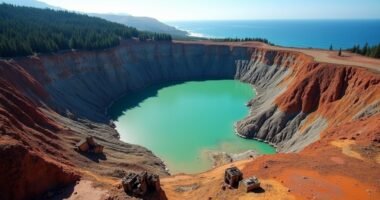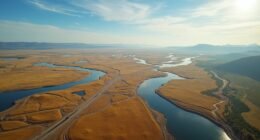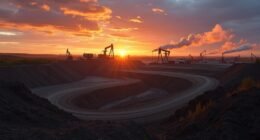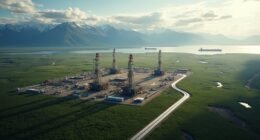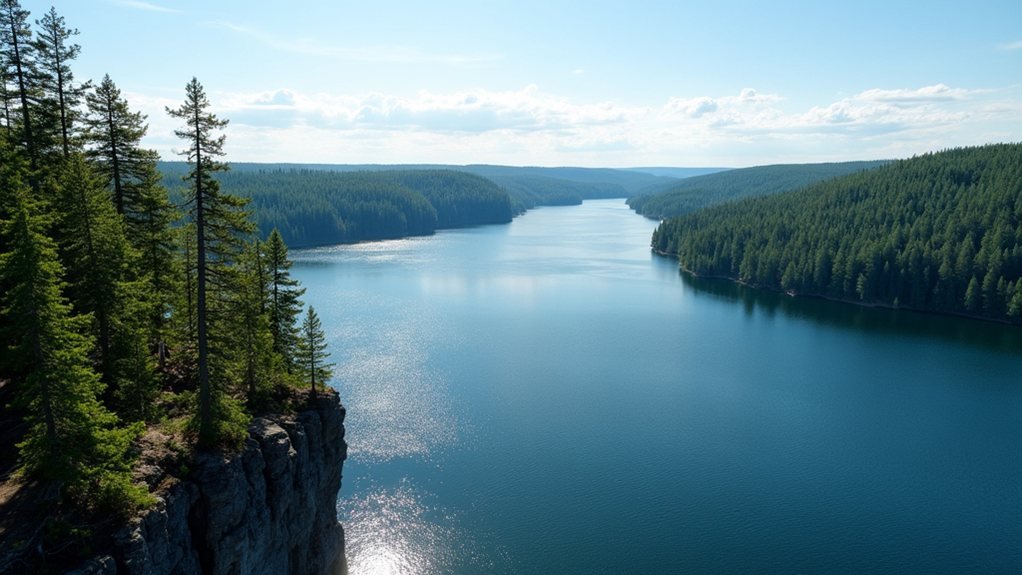

The proposed overturn of the Boundary Waters mining ban could spell disaster for this beautiful wilderness. Imagine sulfuric acid, yes, like battery acid, leeching into pristine waters. Fish like lake trout may face respiratory failure, and whole ecosystems could buckle under toxic runoff. While some see mining as a job creator, it risks turning breathtaking landscapes into barren wastelands. The stakes are high, and the real question is whether we can protect this natural treasure. Curious about the impacts?
Quick Overview
- The overturning of the mining ban threatens the pristine ecosystem of the Boundary Waters due to potential sulfuric acid pollution from mining activities.
- Lifting the ban could lead to significant contamination of waterways, adversely affecting local fish populations and biodiversity.
- Mining operations release greenhouse gases, contributing to climate change and threatening the region’s environmental health.
- The economic benefits of mining are outweighed by the risks of long-term ecological damage and loss of tourism opportunities.
- Indigenous lands and communities will face increased threats from water contamination and habitat destruction due to mining activities.
Understanding the Threat of Mining to Boundary Waters
While it might seem like mining for copper in the Boundary Waters is just another day at the office for resource extraction enthusiasts, the reality is far more alarming.
Sulfide-ore copper mining releases a chemical beast: sulfuric acid, akin to battery acid, polluting waterways for centuries. The Environmental Protection Agency warns that contamination is “highly likely,” with interconnected streams and lakes acting like a giant game of pollution tag. Acid mine drainage will lead to long-term water contamination, with fish like lake trout and smallmouth bass suffering respiratory failure, turning the wilderness into a toxic soup. Additionally, the pollution from mining would have cascading effects on the ecosystem downstream, further exacerbating the damage to this pristine habitat.
Sulfide-ore copper mining unleashes sulfuric acid, threatening waterways and wildlife with long-lasting contamination.
And let’s not forget, humans may soon find their catch unfit for dinner. Habitat protection is critical for preserving the region’s biodiversity and preventing irreversible damage to this unique wilderness area.
Legislative Moves Affecting Boundary Waters
The Boundary Waters, a stunning expanse of pristine lakes and lush forests, is now caught in a legislative tug-of-war that could redefine its future.
On January 21, 2026, the U.S. House passed H.J. Resolution 140, aiming to overturn a significant mining ban. This resolution, a bold move under the Congressional Review Act, could lock in changes that future administrations can’t reverse. While Republicans argue it protects jobs and mineral security, Democrats call it a dire threat, fearing toxic mining practices. The repeal may open up areas for potential mining operations, raising concerns about the impact on this cherished wilderness. Furthermore, lifting the ban could devastate a premier camping destination that attracts thousands of visitors each year. Environmental groups warn that this decision contradicts established marine protection strategies that emphasize preserving natural ecosystems from industrial development.
With the bill heading to a Republican-controlled Senate, the stakes for this beloved wilderness are higher than ever.
How Mining Affects the Environment and Our Communities
Mining, a booming industry fueled by the insatiable demand for resources, casts a long shadow over both the environment and local communities.
The process can release staggering amounts of greenhouse gases—extracting just one kilogram of diamond emits 800,000 kg of CO2e. Mining activities released 36 million tonnes of CO2e annually, comparable to Finland’s fossil fuel emissions in 2022. Mitigation measures aim to control contamination and restore ecological balance, yet their effectiveness remains under-researched.
While communities may relish the promise of jobs, they often face water contamination from toxic runoff and the loss of their lands.
With mining claiming over 260,000 hectares of Indigenous lands since 2001, it’s like playing Jenga with nature—pulling out pieces until the whole structure collapses.
Modern approaches to site rehabilitation now focus on integrating eco-friendly practices to minimize long-term environmental damage during extraction operations.
It’s a delicate balance, and the stakes couldn’t be higher.