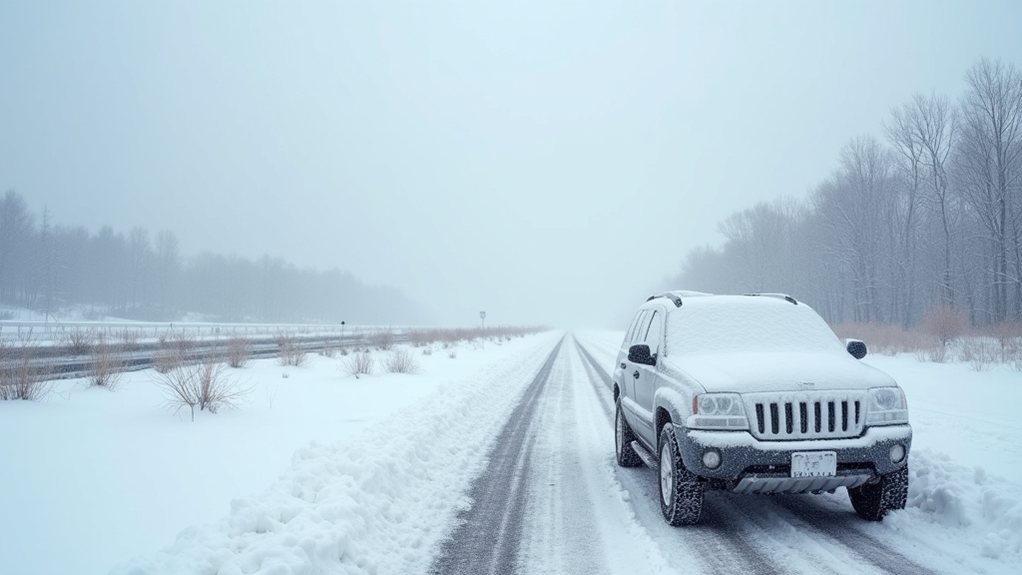

A bomb cyclone has swept through the eastern United States and Florida, delivering an icy punch that’s turned ordinary life into a winter wonderland—or nightmare, depending on your perspective. These storms can drop temperatures drastically and produce massive snowfall, sometimes over three feet! They’re like nature’s own snow machine on steroids. Traveling during this chaos? Think of it as maneuvering through an obstacle course—check your vehicle, drive slowly, and keep that distance! Curious how it affects daily life? Keep on exploring!
Quick Overview
- A bomb cyclone can rapidly intensify, causing extreme cold waves across the Eastern US and even reaching Florida.
- Winds from the storm can exceed 95 mph, leading to hazardous conditions and potential blizzard effects.
- The storm can produce significant snowfall, potentially exceeding three feet in certain mountainous regions.
- Infrastructure may face strain due to heavy snow and ice, impacting transportation and essential services.
- Safety precautions are crucial; ensure vehicles are winter-ready and drive cautiously on icy roads.
What Is a Bomb Cyclone?
When it comes to weather phenomena, the term “bomb cyclone” sounds like something straight out of a sci-fi movie, but it’s as real as your morning cup of coffee.
Fundamentally, a bomb cyclone is a powerful storm that rapidly intensifies, marked by a significant drop in atmospheric pressure. Meteorologists coined the term to describe these ferocious weather events, especially those forming over oceans. With a sudden and significant drop in atmospheric pressure, these storms can unleash devastating conditions on communities. The process of rapid pressure drop associated with bomb cyclones can lead to severe weather conditions, including strong winds and heavy precipitation.
With winds reaching up to 95 mph, they can rival a Category 1 hurricane. These storms occur several times a year, primarily in colder months, showcasing nature’s drama in the atmospheric theater. Atmospheric scientists study greenhouse gases to understand long-term climate trends that can influence storm patterns.
How Do Bomb Cyclones Affect Snowfall and Cold Weather?
Bomb cyclones are not just impressive for their wind speeds; they also have a significant impact on snowfall and cold weather patterns.
These fierce systems can release snow totals exceeding three feet in mountainous regions, like the Sierra Crest, while pushing freezing levels down to as low as 2,500 feet. This means even lower elevations might see snowflakes fluttering down. Notably, during a recent storm, the University of California Central Sierra Snow Lab recorded 33.1 inches of snow, showcasing the dramatic snowfall that can accompany such systems. During a similar storm in southern Colorado, up to 52 inches of snow was reported at Wolf Creek Pass, highlighting the extreme snowfall potential of bomb cyclones.
With wind gusts reaching up to 100 mph, blizzard conditions can develop, creating a winter wonderland—or a snow globe gone wild.
Fundamentally, bomb cyclones transform ordinary weather into dramatic, whiteout conditions, leaving everyone scrambling for shovels and hot cocoa. These storms can also strain water resources and infrastructure as heavy snowmelt and ice affect downstream water supply and treatment systems.
Safety Tips for Traveling During Severe Winter Weather
As winter storms release their fury, savvy travelers know that steering through the snowy roads requires more than just a sturdy vehicle and a warm coat.
First, verify your car is winter-ready—think battery checks and winter tires for grip like a bear on ice. Vehicle collisions can be a serious risk, so ensure your vehicle is equipped with proper winter gear. It’s important to remember that 24% of weather-related vehicle crashes occur on snow or ice-covered pavement annually. Consider also how public transit options can reduce individual exposure and emissions during storms.
While driving, slow down; slick surfaces demand finesse, not speed. Increase your following distance to avoid becoming part of a winter pile-up.
Visibility? Keep those headlights on during snow and rain.
And if conditions turn treacherous, don’t be a hero—pull over and wait.