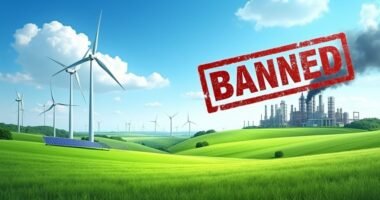

In February 2026, environmental groups in British Columbia critiqued LNG policies like a detective revealing a mystery — the plot twist being the hefty climate concerns from these natural gas projects. By releasing methane and defying emissions reductions, LNG’s impact is akin to leaving the fridge door open during a heatwave. Critics argue that claims of climate responsibility are just green-tinted window dressing. But is calling it greenwashing the real story here? Keep uncovering the truths behind the policy.
Quick Overview
- Environmental groups criticize LNG projects in BC for exacerbating climate change with significant methane and greenhouse gas emissions.
- Activists accuse LNG Canada of false climate responsibility claims while continuing to depend heavily on fossil fuels.
- Critics highlight the negative impact of LNG projects on Canada’s compliance with international environmental standards.
- Economic reconciliation related to LNG projects questioned due to disproportionate benefits to foreign investors over local communities.
- Concerns about financial viability and market competitiveness of BC LNG projects persist amidst global renewable energy advancements.
Environmental Concerns Linked to LNG Projects in British Columbia
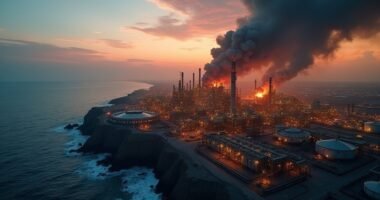
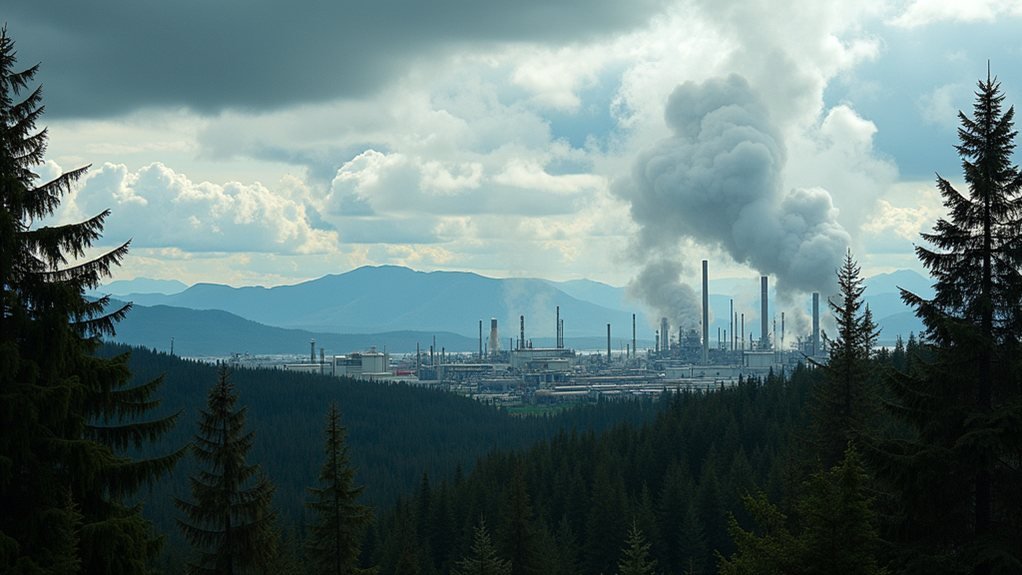
The environmental landscape in British Columbia, reminiscent of a high-stakes chess match, finds LNG projects caught at the center of major climate concerns. With LNG Canada’s first phase puffing out enough gas emissions to fill stadiums, and fracked gas expansions raining methane like glitter at a parade, climate change feels more accelerated than a sports car in a rush. Meanwhile, Ksi Lisims LNG’s greenhouse-gas plan‘s five-year updates resemble a reluctant student promising to check their homework. Effective carbon reduction strategies, like implementing renewable energy systems, could mitigate these emissions. Provincial approvals were granted after a thorough environmental assessment that included consultation with technical experts, First Nations, and local communities. Despite undergoing environmental assessment processes, the Cedar LNG and Ksi Lisims LNG projects claim adherence to Canada’s environmental standards. International diktats whisper sternly, urging a halt to such environmental mischief. Undeniably, these projects seem less like eco-warriors and more like accidental climate change contributors.
Why Is There Economic Uncertainty Around LNG?
If British Columbia’s environmental quandaries were a cinematic thriller, the economic uncertainties surrounding LNG projects would be the sequel with an equally gripping plot.
Imagine this: LNG projects in BC are like high-stakes poker games played in the backdrop of budget deficits and sluggish GDP growth. Taxpayer-supported debt is expected to exceed 30% of GDP in the coming years, emphasizing the fiscal challenges that accompany these projects. Amidst these challenges, the B.C. government’s aim to tackle a $13.3-billion deficit through economic growth adds a layer of complexity to the situation. Add in trade tariffs that sting like a harsh winter breeze and commodity price volatility, and it’s clear why there’s uncertainty. Additionally, investors and stakeholders are increasingly evaluating these projects through the lens of environmental, social, and governance (ESG) metrics, which can significantly impact the future feasibility and public perception of these developments.
The cherry on this sundae of suspense? Projected cost overruns threaten to strand investments like forgotten beach balls, while profit-taking developers might just price Canadian LNG out of teetering global markets.
How Environmental Groups Are Responding to LNG Developments
How can a province balance economic ambitions with environmental stewardship when the stakes are a staggering 30-megaton carbon bomb?
Environmental advocates are running full tilt against the Ksi Lisims LNG development, likening it to cheering for a dumpster fire in a climate seminar. “It’s like claiming to be a climate hero while wearing a fossil fuel cape,” quips Ecojustice’s Imalka Nilmalgoda. This development is often considered a classic case of greenwashing, where the perception of environmental responsibility is misrepresented. Despite the promise of economic reconciliation related to the Nisga’a Nation, concerns about foreign ownership amplify the outcry, as many argue that the project primarily benefits American investors. First Nations voices add depth to the discord, as the Gitanyow blockade breathes life into their staunch opposition. Meanwhile, the B.C. Green leader decries LNG not as a bridge but a plank to nowhere—a piquant critique, indeed.