The selenium pollution crisis linked to British Columbia’s coal mines is seeping across the border into Montana, creating quite the aquatic headache. With selenium levels surpassing safety standards, fish are feeling the effects—think deformities and failed reproduction. Local communities are on the hook, too, facing health risks from contaminated fish. But it’s not all doom and gloom; regulations are tightening, and innovative monitoring technologies are stepping up. Want to uncover more about this ongoing challenge?
Quick Overview
- Selenium pollution from British Columbia coal mines is exceeding environmental standards, impacting both aquatic life and communities in Montana.
- Elevated selenium levels in fish lead to reproductive issues and deformities, posing risks to Montana’s aquatic ecosystems.
- Regulatory efforts, including EPA criteria and Montana’s DEQ standards, aim to mitigate selenium contamination in sensitive areas like Lake Koocanusa.
- Innovative treatment technologies are being implemented to reduce selenium levels before they cause significant environmental damage.
- Ongoing monitoring and research are essential to understand selenium’s long-term impacts on local ecosystems and public health.
The Selenium Pollution Crisis in B.C. Coal Mines
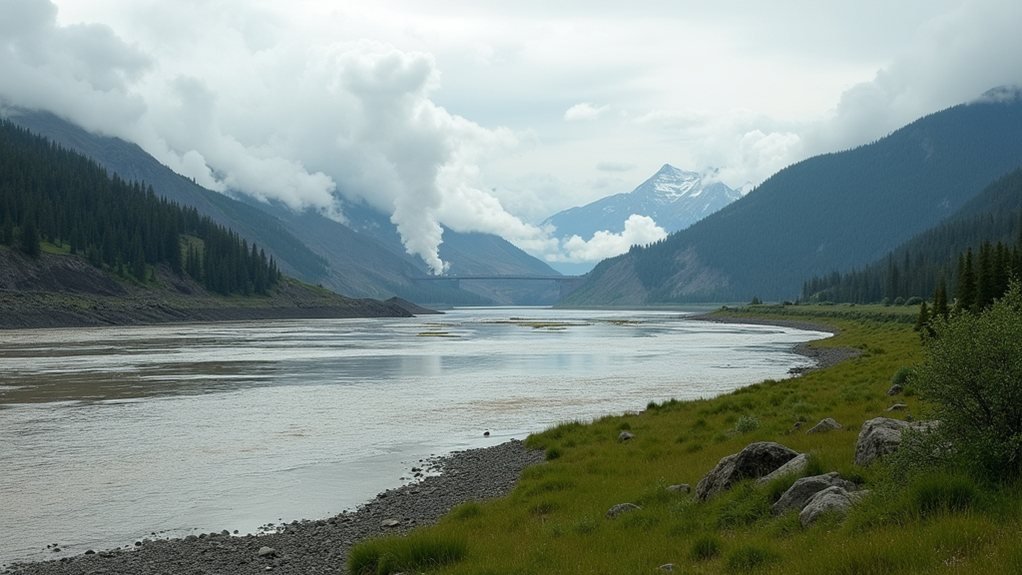
In the heart of British Columbia, a shadow looms over the picturesque Elk Valley, and it isn’t just the majestic mountains.
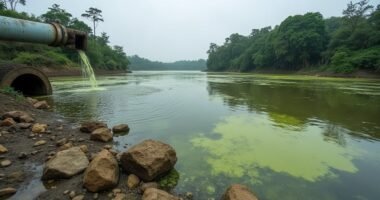
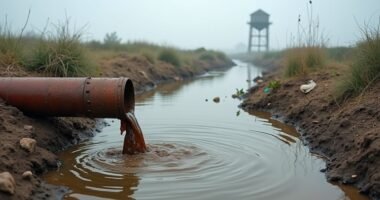
The selenium pollution crisis, primarily fueled by five Teck coal mines, has transformed the once-pristine waterways into a toxic cocktail. Selenium, which naturally lurks in local rocks, is leaching from waste rock piles, increasing from under 2 tonnes to nearly 11 tonnes since 1985. The Elk River’s selenium levels now exceed B.C. and Canadian environmental standards, raising alarms for both aquatic life and local communities. Consuming fish from polluted waters may pose health risks due to selenium contamination. This situation represents a clear example of point source pollution that requires targeted mitigation strategies to protect both ecosystem and human health.
It seems the mining industry has turned the valley’s natural beauty into a cautionary tale about unchecked pollution.
How Selenium Pollution Affects Aquatic Life in Montana?
Selenium pollution, a pressing issue stemming from coal mining activities, has consequences that stretch far beyond British Columbia’s Elk Valley, reaching into Montana’s aquatic ecosystems. This sneaky element bioaccumulates in fish, creating a game of toxic tag as it moves up the food chain. Elevated selenium levels disrupt fish reproduction, leading to deformities and even causing eggs to fail. Imagine a fish sporting a crooked spine or facial abnormalities—definitely not the catch of the day! Recent tests indicate that reproductive tissue from fish sampled exceeded selenium standards, highlighting the severity of the situation. Evaluating the product lifecycle of coal mining reveals environmental impacts that persist long after extraction ends. As selenium levels continue to rise in nearby waters, the potential for devastating impacts on aquatic life remains a significant concern. With contamination levels fluctuating, Montana’s waters are becoming an unintended laboratory for selenium’s unsettling effects on aquatic life, raising alarms for both nature and anglers alike.
Regulatory Steps to Mitigate Selenium Pollution
Steering through the murky waters of selenium pollution requires a robust regulatory framework, and thankfully, there’s a growing arsenal of measures designed to tackle this environmental challenge. The EPA’s 2016 criteria set strict selenium limits, while Montana’s DEQ established specific standards for sensitive areas like Lake Koocanusa. Meanwhile, Kentucky’s regulations play a game of catch-up, only triggering violations after fish tissue analysis reveals accumulation. Innovative treatment technologies, such as suboxia and filtration, help curb selenium levels before they wreak havoc. High concentrations of selenium found in the Big Sandy River watershed exemplify the urgent need for effective monitoring and regulation. With revised permits ensuring monitoring across all mining stages, it’s clear that regulators are rolling up their sleeves to confront this aquatic adversary. Addressing the issue of selenium is vital as contaminants can enter groundwater via run-off, posing serious risks to aquatic ecosystems. Following the waste management hierarchy could prevent such pollution problems by prioritizing prevention measures before considering treatment and disposal options.