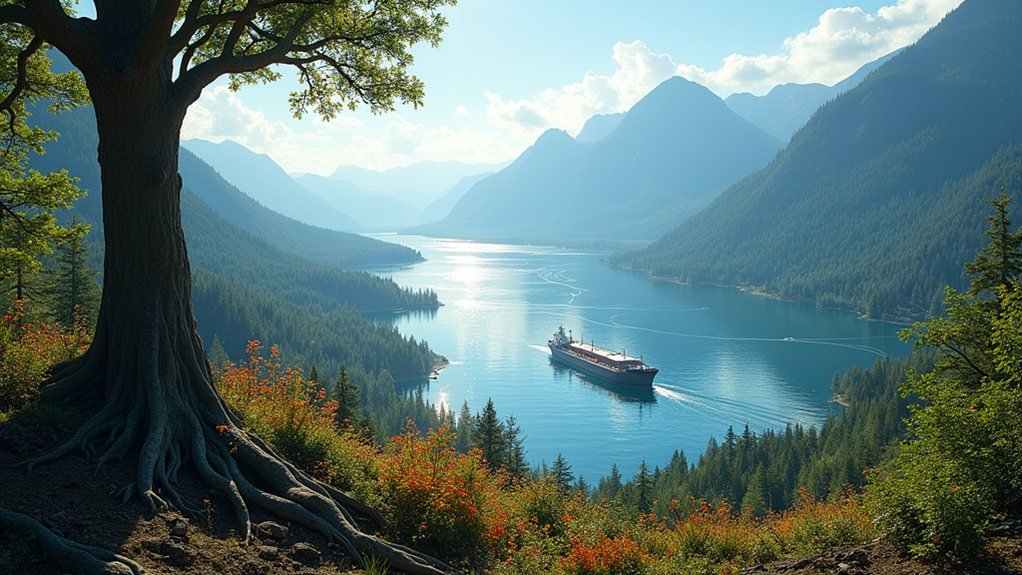

Alberta’s pipeline, aiming for the West Coast by 2026, is like a cultural handshake between Canadian energy and Indigenous empowerment. By allowing Indigenous co-ownership of this crude oil export route, it’s setting the stage for economic prosperity and environmental care. Think real-time monitoring, fail-safe practices, and collaborative decision-making – it’s as if the ecosystem got its own VIP treatment. Curious about the alliance that’s blending tradition with modern oil transport? There’s quite the story waiting beneath those headlines.
Quick Overview
- The Alberta oil pipeline proposal aims to reach British Columbia’s west coast, targeting Asian markets by 2026.
- It includes an Indigenous co-ownership model, boosting community involvement in energy infrastructure.
- Indigenous investments in British Columbia’s pipeline system amount to C$715 million, creating jobs and sustainable wealth.
- Advanced safety protocols and real-time monitoring emphasize environmental protection under Indigenous guidance.
- Collaboration exists among Indigenous communities, federal, and provincial governments, enhancing mutual benefits and economic resilience.
Unpacking the Alberta Oil Pipeline Proposal
Although pipelines and major infrastructure projects might not be your usual dinner table gossip, the Alberta Oil Pipeline proposal could well be the next hot topic for more reasons than you’d expect.
This West Coast pipeline, heading to British Columbia’s northwest, promises to shift the energy narrative. By providing crude oil a direct route to Asian markets, it aims to free Canada from its U.S. export shackles. The involvement of an Indigenous co-ownership model adds a distinctive dimension to the pipeline, ensuring that Indigenous peoples receive a fair share in this energy project. The project also addresses environmental justice by considering the equitable distribution of both the benefits and the burdens among all the communities involved.
Imagine Canada as a teenager finally getting their own car. Supported by a $14 million start from Alberta and designed to showcase Canada’s energy independence, this venture combines bold ambition with strategic thinking. The project emphasizes marine safety, incorporating real-time vessel tracking and double-hull tankers to protect the environment.
How Indigenous Co-Ownership Helps Build Sustainable Futures
In the tapestry of economic advancement, Indigenous co-ownership of pipeline ventures stands out like a vibrant thread, weaving sustainability and prosperity into the fabric of community futures. It’s the ultimate combo meal: economic empowerment with a side of autonomy! With Indigenous communities securing ownership stakes, such as a massive C$715 million investment in BC’s pipeline system, the future looks brighter than solar panels on a sunny day. These co-ownership models aren’t just about equity; they’re equity with a capital ‘E’—enabling lasting wealth, job creation, and decision-making power. Integrated efforts in building effective environmental and safety management systems ensure these projects align with sustainable practices that protect community health. Bolstered by unprecedented opportunities highlighted by federal and Alberta governments, the potential financial impacts for communities could be profound, with an expected annual revenue generation of $2 billion. Indigenous involvement is not only pivotal in economic empowerment but also in project development, as seen with all 20 elected First Nations supporting the Coastal GasLink project, showcasing meaningful collaboration and mutual benefits. Imagine a giant economic huddle—the best kind of teamwork, promoting prosperity and resilience.
Implementing Advanced Safety Protocols With Indigenous Guidance
Envision this: a fortress of safety protocols, standing tall under the sparkling guidance of Indigenous wisdom.
Picture real-time monitoring systems working like watchful eagles, while fail-safe engineering wraps operations in a snug safety blanket. Here, Indigenous perspectives aren’t just an afterthought—they lead, enlightening protocols at every phase. As environmental protection is prioritized, double-hull tankers and enhanced navigation steer through challenges like a whispering sea captain with the insight of centuries. The construction of these pipelines includes Indigenous co-ownership, ensuring that mutual benefits are at the forefront of every decision made. Essential to these efforts is the preservation of biodiversity, as maintaining species diversity and restoring ecosystems are integral to the sustainable coexistence of these operations.
Imagine rigorous safety rituals, akin to performing a sacred dance, making way for pilotage and tug escorts. It’s harmony over the high seas, fuelled by mutual respect, trust, and shared leadership—sound inviting?