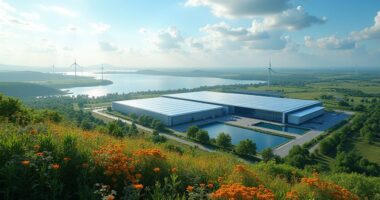

AI’s skyrocketing demand is propelling a boom in renewable power tax credits for data centers. These credits can slice operational costs, offering up to a 30% investment tax credit on solar setups—imagine trimming a $200,000 bill down by a cool $60,000! As energy needs soar, moving to sustainable sources becomes essential. This shift not only safeguards the environment but also makes smart business sense. Curious about optimizing these incentives? There’s more to uncover on this exciting journey!
Quick Overview
- The Investment Tax Credit (ITC) offers a 30% credit for solar technologies, significantly reducing data center capital expenses.
- Data centers’ energy demand is projected to skyrocket, necessitating a shift toward renewable energy sources for sustainability.
- Combining federal ITC with state incentives can lead to substantial savings, optimizing financial investments in renewable systems.
- Transitioning to renewable energy can mitigate the environmental impact of increasing data center emissions, especially from AI workloads.
- Strategic planning and sustainability assessments can align data center operations with both environmental goals and tax incentives.
How Renewable Power Tax Credits Can Benefit AI Data Centers
As the demand for AI technology surges, data centers are increasingly looking to renewable power tax credits as a savvy way to boost their bottom line while reducing their carbon footprint. The Investment Tax Credit (ITC) offers a generous 30% credit for solar and storage solutions, making it more appealing for data centers to invest in these technologies. With potential bonus credits, they can save up to 70% on capital expenses. This not only lowers electricity costs but also supports backup power systems. In a world where every penny counts, these credits transform an eco-friendly choice into a smart business strategy. This transition represents a crucial step toward a sustainable future where technology advancement and environmental responsibility coexist harmoniously. Additionally, data centers are projected to account for about half of total demand growth over the next five years, emphasizing the importance of transitioning to renewable energy. Furthermore, as data centers are expected to account for over half of the increase in electricity demand by 2030, investing in renewables becomes even more critical for sustainable growth.
The Impact of AI Demand on Renewable Energy Supply
The surge in AI technology is not just reshaping how data centers operate; it’s also putting a significant strain on the renewable energy supply chain.
As data centers’ power demand skyrockets—projected to reach 426 TWh annually by 2030—the reliance on renewable sources becomes ever more critical. Currently, renewables contribute only 24% of data center electricity, while fossil fuels dominate. With US data-center power demand projected to exceed 78 gigawatts by 2035, tech giants are pushing for cleaner energy, and the race is on to build adequate renewable infrastructure. Implementing solar power systems could provide significant environmental benefits while helping data centers reduce their carbon footprint. However, lengthy interconnection queues and spatial constraints could turn this energy marathon into a sprint, leaving some regions gasping for power. The growing demand for AI workloads has significantly increased data center emissions, making the shift to renewable energy even more urgent.
How to Maximize Tax Credits and Sustainability in Your Data Center
When it comes to maximizing tax credits and sustainability in data centers, a blend of strategic planning and an eye for opportunity can make all the difference. By leveraging the 30% Federal Investment Tax Credit for solar and related technologies, operators can greatly cut tax liability—imagine saving $60,000 on a $200,000 solar setup! Combine that with state incentives and you’re stacking savings like pancakes at a Sunday brunch. Ensuring energy offset compliance and smart infrastructure investments can keep operations green and grants flowing. With the right moves, a data center can thrive sustainably while reaping financial rewards—now that’s a win-win! Additionally, considering the conflicting bills proposed in Colorado, operators must navigate both tax incentives and renewable energy mandates to optimize their investments. Furthermore, the U.S. tax policy offers incentives to reduce costs and improve energy strategies, providing even more opportunities for data centers to enhance their financial viability. A comprehensive sustainability assessment of your current operations is essential before implementing any strategic changes to ensure alignment with both environmental goals and business objectives.