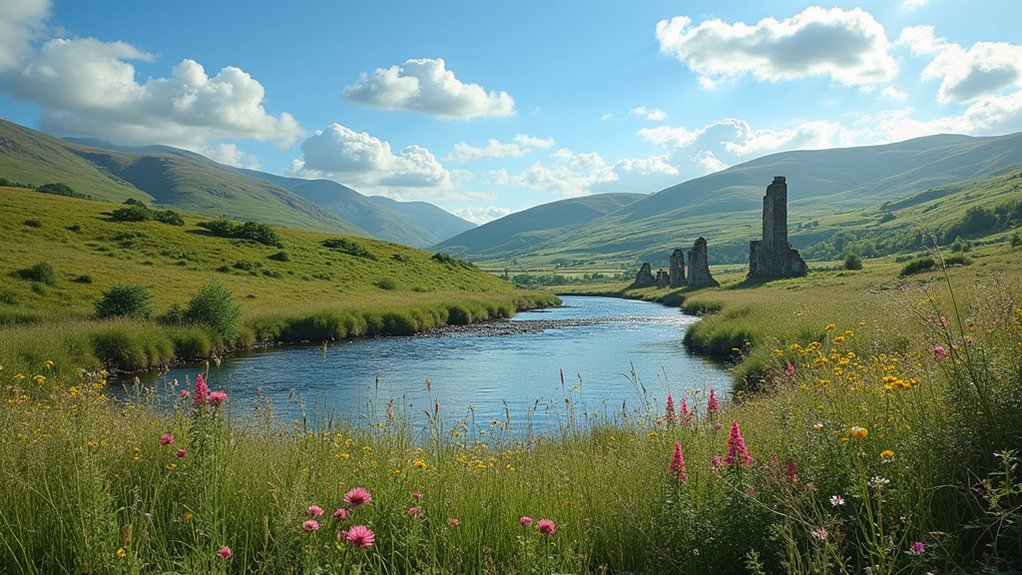

Scotland has taken the bold step of criminalizing ecocide, making it the first country in the UK to do so. This means serious legal repercussions for anyone—individuals, corporations, or governments—who causes severe environmental harm. Imagine a world where wrecking nature is treated like a serious crime! This groundbreaking move will reshape environmental policies, promoting sustainable practices and community engagement. It’s a vibrant step towards a greener future, making Scotland a leader in environmental justice. Want to know how this impacts everyday life?
Quick Overview
- Scotland is poised to become the first UK nation to criminalize ecocide, addressing severe environmental destruction.
- The move reflects a commitment to prosecuting reckless corporate and governmental actions causing environmental harm.
- Criminalizing ecocide supports Scotland’s ambitious net-zero target by 2045 and transformative environmental policies.
- Community input is crucial in shaping effective policies that prioritize sustainability and environmental justice.
- This legal framework emphasizes collective responsibility and the importance of protecting ecosystems and biodiversity.
What Does Ecocide Mean for Scotland?
As Scotland steps boldly into the domain of environmental justice by criminalizing ecocide, one might wonder how this revolutionary move will reshape its legal landscape.
Ecocide, defined as reckless acts causing severe environmental harm, sets a high bar for accountability. Picture it: if a corporation knowingly spills toxins, they’re not just facing fines; they’re on the hook for serious consequences. This law not only targets individuals but also corporations and governments, demanding a collective responsibility. With penalties resembling those for serious crimes, Scotland is gearing up to safeguard its natural beauty, ensuring it thrives for future generations—no pressure, right? Moreover, the recognition of ecocide as a serious international crime could inspire other nations to adopt similar legal frameworks to combat environmental destruction. As the world grapples with the impacts of climate change, Scotland’s proactive stance could be pivotal in motivating global efforts toward environmental protection. Understanding how environmental benefits and burdens affect different communities is essential to ensuring the law advances environmental justice.
Why Criminalize Ecocide?
Criminalizing ecocide isn’t just a legal maneuver; it’s a bold statement about the importance of protecting the planet. By defining ecocide—acts likely to cause severe environmental damage—as a crime, society acknowledges that our environmental health is non-negotiable. It’s like saying, “Hey, you can’t just bulldoze the Amazon for a shopping mall!” This legal framework guarantees that reckless actions, even before harm occurs, can be prosecuted. Imagine treating environmental destruction with the same gravity as genocide! By elevating ecocide to a serious crime, we’re sending a clear message: our planet matters, and we’re ready to defend it fiercely. The International Criminal Court (ICC) has initiated a policy specifically for prosecuting environmental crimes, reinforcing the urgency of this movement. In light of the alarming fact that 70% of the earth’s coral reefs are at risk due to ongoing environmental threats, the push to criminalize ecocide becomes even more critical. Ecosystem functions such as biodiversity maintenance underpin the services that sustain human life and should be central to legal protections.
How Will This Affect Scotland’s Environmental Policies?
While the recent decision to criminalize ecocide marks a significant turning point, it’s not just a legal statement; it’s a bold move that will ripple through Scotland’s environmental policies.
This change will likely bolster ambitious proposals aimed at reaching a legally-binding net-zero target by 2045. With over 150 targeted policies, sectors like transport and energy will see transformative changes. Community feedback will play a crucial role in shaping these policies to ensure they meet the needs of all citizens. Moreover, the integration of Education and Learning into environmental strategies will enhance community understanding and engagement.
Imagine a future where cycling replaces car trips, and homes are so energy-efficient they practically run on sunshine. Sustainable food systems that reduce waste and emissions will also be promoted as part of broader sustainable practices across sectors.
However, successful implementation will hinge on robust community involvement and support for those adapting to greener careers—making it a collective journey toward a sustainable Scotland.