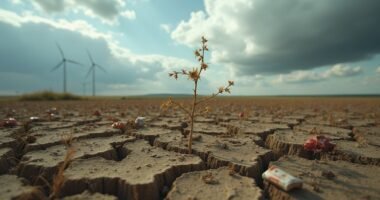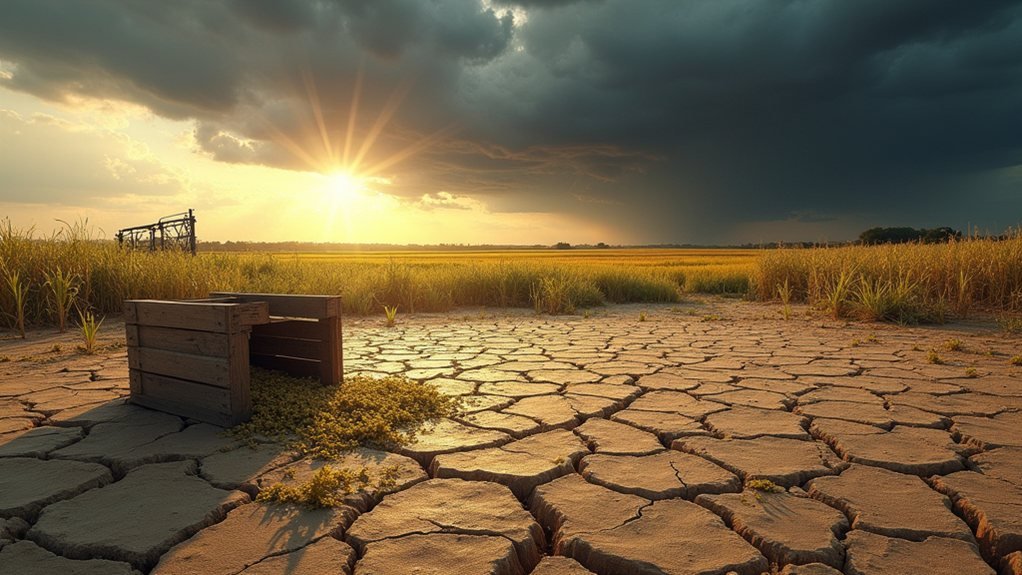

Climate-driven weather events are wreaking havoc on food supplies, like a child on a sugar rush in a candy store. Unexpected factors like extreme heat and floods reduce crop yields, with maize potentially dropping by 24%. Coupled with skyrocketing food prices—South Korean cabbage spiked by 70%—this puts strain on already-weak food systems. Farmers need smart solutions, like sustainable practices, to weather these challenges. Stick around, and you’ll uncover more about the urgent need for action in agriculture.
Quick Overview
- Climate change causes severe weather events, significantly disrupting food production and causing price volatility.
- Cabbage prices in South Korea surged by 70% during the 2024 heatwave, illustrating immediate food supply shocks.
- Flooding has been shown to increase food costs by 3.40%, reflecting the economic impact of climate-related disruptions.
- Investment in irrigation and advanced farming techniques is essential to mitigate the effects of climate-induced food supply shocks.
- Sustainable practices and improved storage can help stabilize food supplies and reduce waste in vulnerable regions.
The Effects of Climate Change on Crop Yields
As climate change continues to weave its unpredictable tapestry, the effects on crop yields become increasingly apparent—almost like a bad plot twist in a movie that you didn’t see coming. Maize, for instance, is projected to see a staggering 24% drop in yields by century’s end, while wheat might just pull off a surprising 17% increase thanks to CO2 and warmer temperatures. Yet, let’s not break out the confetti just yet; over 90% of countries face declines. With some regions experiencing losses up to 50%, it’s clear that climate change is playing the ultimate villain in the agricultural narrative. In the U.S., corn yields in Iowa are projected to be over 5% lower, highlighting the dire consequences of climate change on staple crops. Increased global temperatures may exacerbate these challenges, leading to further declines in agricultural productivity. Sustainable soil management practices, such as cover cropping and reduced tillage, can help buffer yields against some climate impacts.
How Severe Weather Events Influence Food Prices
Severe weather events, often more dramatic than a reality TV finale, have a profound impact on food prices, sending them soaring like a hot air balloon on a sunny day.
From the 70% spike in South Korean cabbage prices during the 2024 heatwave to the staggering 48% increase in Japanese rice costs, these climatic shocks disrupt supply chains and leave consumers feeling the pinch. Extreme weather has historically destroyed crops and impacted agricultural yields, further exacerbating rising food costs globally. In the U.S., California’s droughts have historically raised fresh fruit prices, while floods increase food costs by 3.40%. Additionally, the critical months for California’s water resources are December, January, and February, which can significantly influence food supply during those periods.
As weather patterns grow increasingly erratic, the food price rollercoaster shows no signs of slowing down. Sustainable practices like environmentally sound production can help reduce vulnerability and stabilize supplies.
How to Tackle Food Supply Issues Caused by Climate Change
Tackling food supply issues driven by climate change requires a multifaceted approach that balances innovation with practicality. Advanced farming techniques and smart infrastructure can help, but they’re not magic wands. For developing countries, even with the latest tricks up their sleeves, cereal production can still dip by about 5%. Investing in irrigation and storage is like adding a safety net for food availability, especially in vulnerable regions. Meanwhile, trade liberalization can help soften price spikes. Ultimately, boosting economic development not only enhances adaptive capacity but also helps keep food on the table when the climate throws a tantrum. Studies indicate that approximately 800 million people in developing countries face food shortages, highlighting the urgency of these issues. Furthermore, with 1.4 million people facing catastrophic levels of food insecurity globally, the need for immediate action is more pressing than ever. Practical steps to reduce losses along supply chains, including improved storage and handling practices, are essential to strengthen resilience and reduce waste, especially in low-income regions with weak infrastructure and limited market access; see post-harvest losses.