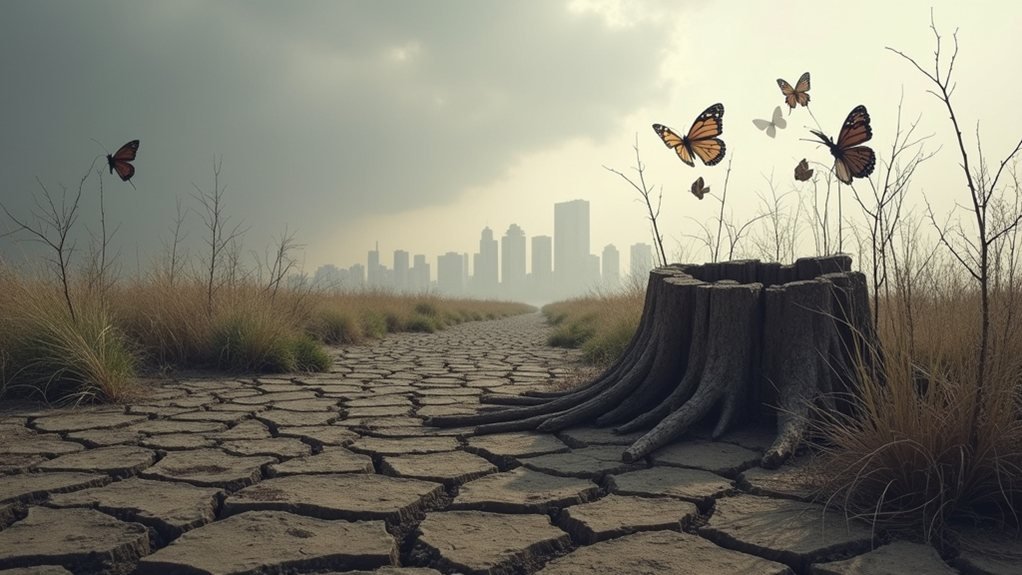
Biodiversity loss is now a significant threat to the UK’s national security, akin to an alarm bell ringing in a quiet neighborhood. Official reports warn that a collapse in ecosystems could disrupt food systems and destabilize the economy—think of it as nature’s version of a house of cards ready to tumble. With dwindling species, the risks of droughts and floods grow, urging us to protect habitats. Stay tuned to discover how we can bolster our resilience against these environmental challenges!
Quick Overview
- Biodiversity loss directly threatens food security and economic stability, posing risks to the UK’s national security.
- Ecosystem collapse could lead to significant declines in essential services, reminiscent of past financial crises affecting GDP.
- Sustainable agriculture and nature recovery initiatives are vital for enhancing resilience against environmental challenges.
- Investment in nature-based solutions can mitigate risks from biodiversity loss, supporting national interests and security.
- Urgent action and international cooperation are necessary to safeguard ecosystems and prevent ecological chaos threatening national security.
Understanding Biodiversity Loss and Its Impact on UK National Security
How does biodiversity loss intertwine with national security in the UK? The UK government’s recent report reveals a startling connection.
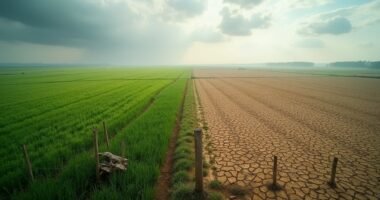
The degradation of ecosystems like the Amazon and Southeast Asia’s coral reefs threatens food security and economic stability, akin to a game of Jenga where one wrong move leads to a collapse. Ecosystem collapse poses significant risks to society and businesses, as it undermines the very foundations of food production and economic resilience. Without urgent action to address these threats, the consequences could be dire. Protecting species and restoring habitats through ecosystem restoration can help reduce these risks and strengthen long-term resilience.
As biodiversity dwindles, risks of floods and droughts rise, potentially displacing millions and igniting geopolitical tensions.
Imagine this: a world where crops fail, water runs dry, and diseases spread like wildfire.
A future with failing crops, dwindling water supplies, and rampant diseases looms ominously on the horizon.
Without urgent action, the UK may find itself in a precarious situation, facing security threats that extend beyond its borders.
How Ecosystem Collapse Impacts Our Food and Economy
While the complexities of ecosystem collapse might seem like a topic reserved for scientists in lab coats, the reality is that this issue touches everyone’s lives, especially in the UK, where food and economic stability can hang by a thread.
A projected 12% GDP loss looms, reminiscent of the financial crises of 2008 and 2020. With agriculture facing heightened risks and food security threatened by disrupted imports, the stakes are high. Nature degradation could lead to significant declines in essential services, compounding the challenges we face. Ecosystem collapse could also exacerbate risks of floods and droughts, further straining our resources.
Imagine trying to whip up dinner without ingredients—chaos! The degradation of ecosystems doesn’t just affect nature; it’s a recipe for economic disaster that could leave the UK hungry and vulnerable. Sustainable food systems that reduce waste and promote regenerative agriculture can help maintain ecosystem services and resilience, supporting food security.
What Can We Do to Build Resilience Against Biodiversity Loss in the UK?
Building resilience against biodiversity loss in the UK is more than just a trendy phrase; it’s an essential action plan that could save the nation from a future of ecological chaos.
Nature-based solutions, like restoring wetlands and planting urban trees, act as natural superheroes, tackling floods and cooling cities simultaneously. Sustainable agriculture reduces pesticide use, supporting both food systems and biodiversity. By investing in nature recovery, the UK can enhance its capacity to withstand environmental challenges. Furthermore, the government’s commitment to supporting Small Island Developing States (SIDS) highlights the importance of international cooperation in addressing global environmental issues.
Biodiversity underpins ecosystem functioning and the provision of ecosystem services, so protecting species diversity is fundamental to resilience. By embedding nature into national security policies, the UK can boost economic resilience. With investments in green finance driving innovation, it’s clear: safeguarding ecosystems isn’t just smart; it’s crucial for a thriving future.
Let’s turn the tide for nature!